Ming Smith’s photography exhibit showcases Black life and culture
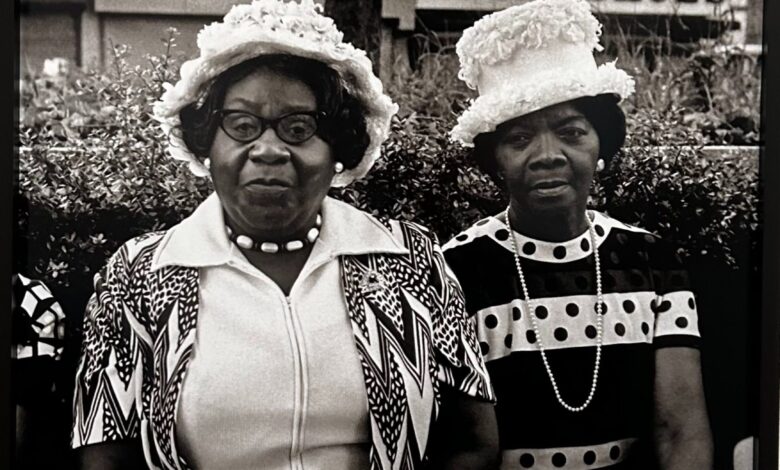
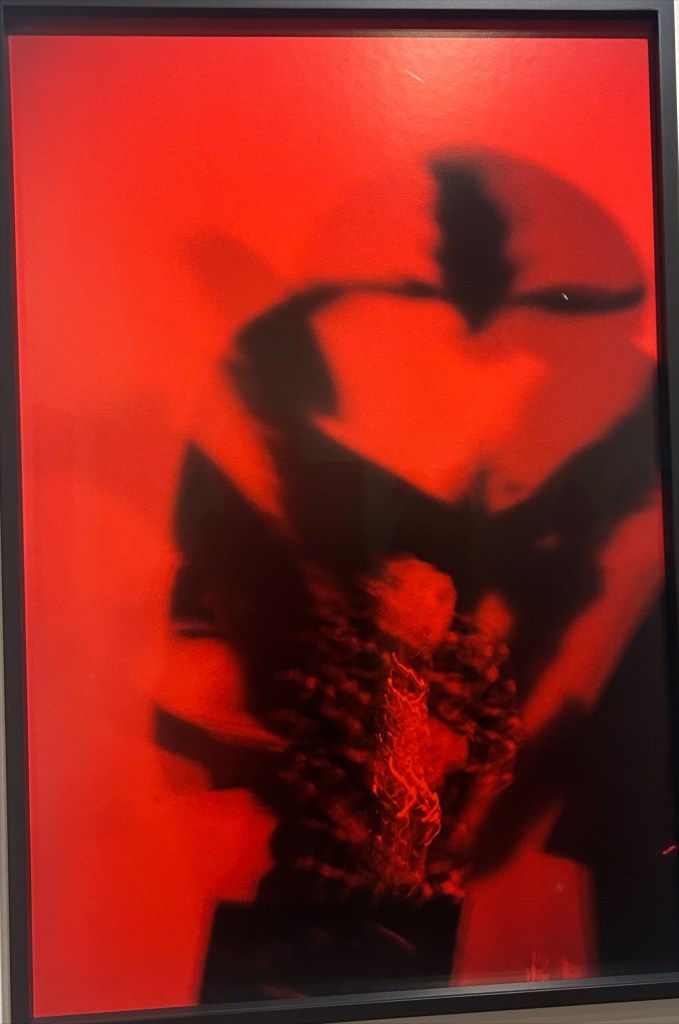
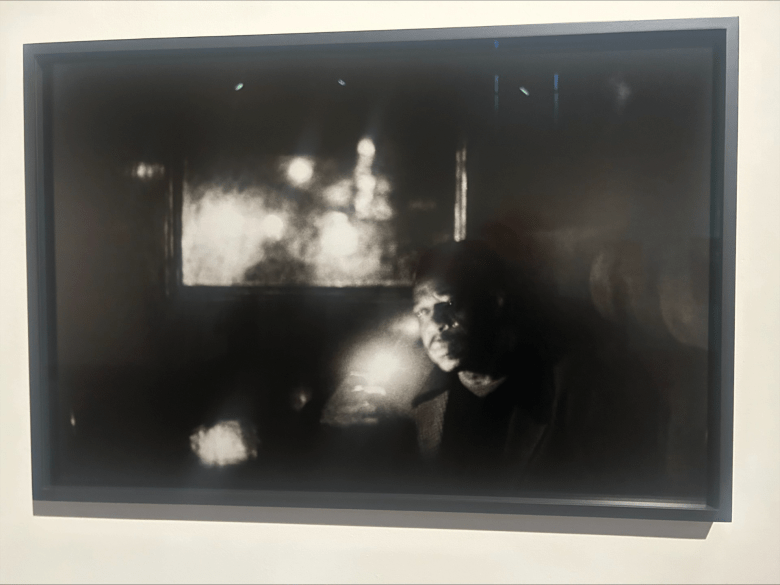
The exhibition “Ming Smith: Feeling the Future” showcases Ming Smith’s evocative work and is more than a traditional gallery presentation—it’s an experience showcasing her works, from surrealist jazz portraits to intimate portraits.
On August 22, The Spelman College Museum of Fine Art celebrated Smith’s contributions to photography with a preview of her work.
Co-curator J.E. Azmi, formerly James Bartlett, described the genesis of the exhibition’s title, “Feeling the Future,” which emerged from conversations with Ming Smith about the nature of her work. “It was Ming’s idea,” Azmi shared. “From the beginning, she and I always talked about this being an exhibition that you feel even more so than the view.”
The meditation room is a central feature of the exhibition, designed to enhance this sensory experience. “Ming wanted a space where visitors could sit with the work and feel it rather than just view it,” Azmi explained. This contemplative space allows students and gallery attendees to connect with Smith’s work on a deeper emotional and spiritual level, fulfilling the exhibit’s goal of fostering a profound engagement with art.
Ming Smith’s photography has always centered on capturing the essence of Black life and culture. A native of Detroit and graduate of Howard University, Smith moved to New York City, where she said she became deeply involved in the city’s vibrant artistic community. Her work, spanning nearly fifty years, portrays Black individuals and communities’ everyday beauty, struggles, and triumphs.
Among the distinguished guests at the exhibition opening was Sue Ross, an Atlanta-based photographer and historian. Ross, along with several artists impacted by Smith’s work, and members of the photography collective Sistagraphy, came to honor Smith with flowers. Ross admired Smith’s work, stating, “I’ve known Ming for maybe 30 years. But we rarely see each other; she’s in New York, and I’m here. Most of the time, I see her work in just one or two pieces as part of a group exhibition, but to see the whole body of work here is thrilling. I love this museum and its dedication to the work of African American women. To see this retrospective of Ming’s work here is incredible.”
Reflecting on her career at the Spelman opening, Smith shared the emotional significance of being honored by her peers and the broader community. “I felt honored, and I had to stop myself from tearing up,” Smith said. “My photographs have always been about the culture and passing it on—how beautiful we are, how powerful, and just how much value we have.
“I wanted to capture everyday people, and hearing how my work moved others—whether it was a little girl saying she cried or someone reflecting on their own life experiences—was incredibly moving. I wanted some healing, some incentive to create their own story and honor themselves, our experience, and our culture.”
Smith’s work reflects a deep love for her community and is a powerful narrative tool. Smith hopes that through this exhibition, visitors will leave with a renewed sense of purpose and a greater appreciation for the shared stories and histories that bind us.
Janice Bond, co-curator of the exhibition, recounted her decade-long journey with Smith. This relationship eventually led Bond to study Smith’s work closely and collaborate with J.E. Azmi, who is curating the exhibition. “We were both working independently on projects, and then Ming mentioned we both had ideas for an exhibition, so she suggested we work together. It felt almost fated,” Bond reflected.
Bond emphasized that the exhibit, while comprehensive, does not fully encapsulate the gravity of each piece but provides a powerful entry point into Smith’s artistry. “Ming’s portraits are more than just photographs; they are mirrors reflecting depth, mystery, and tenderness,” Bond noted. Highlighting the role of curators as stewards of an artist’s legacy, she concluded, “Ming has trusted us with her life’s work, and that makes us more than just curators—we are stewards of her essence and journey.”
Ming Smith’s career is marked by significant achievements, including the first woman to join the Kamoinge Workshop in 1972 and the first Black woman photographer in The Museum of Modern Art’s collection in 1979.
“Ming Smith: Feeling the Future” opens on August 23, 2024, and will be available to view through December 7, 2024.


