New project to explore history of Okefenokee’s Black conservationists
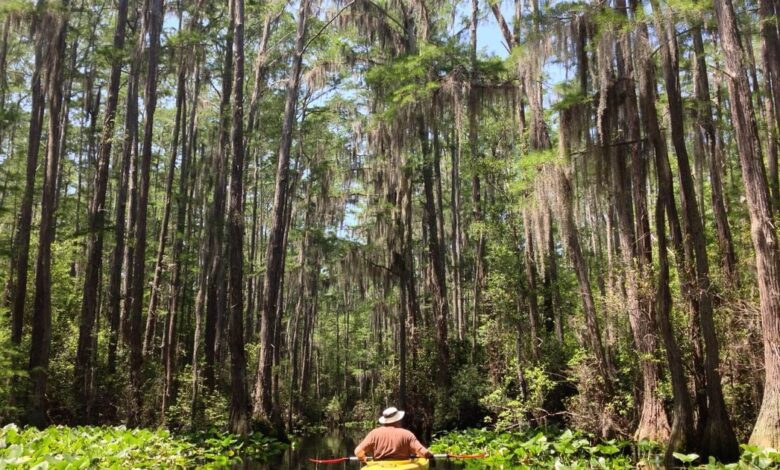
The Civilian Conservation Corps was a program created by President Franklin D. Roosevelt’s New Deal, which aimed to pull the country out of the depths of the Great Depression. Company 1433′s young members — all males between the ages of 18 and 25 — helped build bridges and roads, create firebreaks, plant trees, and develop recreational facilities in the early days of the refuge.
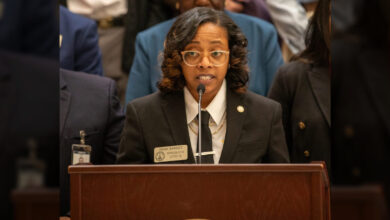
The money was directed to the project by U.S. Sen. Raphael Warnock, D-Ga., who said in a statement that he was proud to secure the funding.
“The Okefenokee region was a crucial safe haven for many Black Americans in the New Deal era,” Warnock said. “This all-Black Civilian Conservation Corps revitalized the broader region, which is important and often overlooked in our state’s history.”
Credit: Steve Stephens
Credit: Steve Stephens
The project aims to collect, preserve and digitize records on Company 1433, which will be shared with the public through an online database. The money will also help fund the creation of a series of exhibits at the Okefenokee Swamp Park and development of an 8th-grade curriculum for teachers in counties surrounding the swamp to share the research’s findings with their students.
Jes Neal, the archivist who is leading the project, said that many Civilian Conservation Corps programs discriminated against African-Americans, making the all-Black composition of the Okefenokee’s unit unique.
Neal said she hopes her research will lead to more exploration of Black environmentalists’ contributions around the country.
“This is an uncovering of history that is not lost — It’s just not present at the moment,” Neal said. “I hope the project that we’re doing can be replicated in other states.”
As the project gets set to delve into the refuge’s past, its future remains in question.
The federal National Park Service recently announced it is preparing to nominate the Okefenokee for listing as a World Heritage Site, an honor reserved for sites with “outstanding universal value,” according to the United Nations Educational, Scientific and Cultural Organization.
At the same time, an Alabama-based company is still moving forward with a plan to develop a titanium strip mine within three miles of the refuge. The company, Twin Pines Minerals, has repeatedly said the project will not harm the ecosystem, but prominent scientists and environmental advocates have questioned their claims.