How Maria Varela Became One Of The ‘Eyes’ Of 1960s Black Student Activism
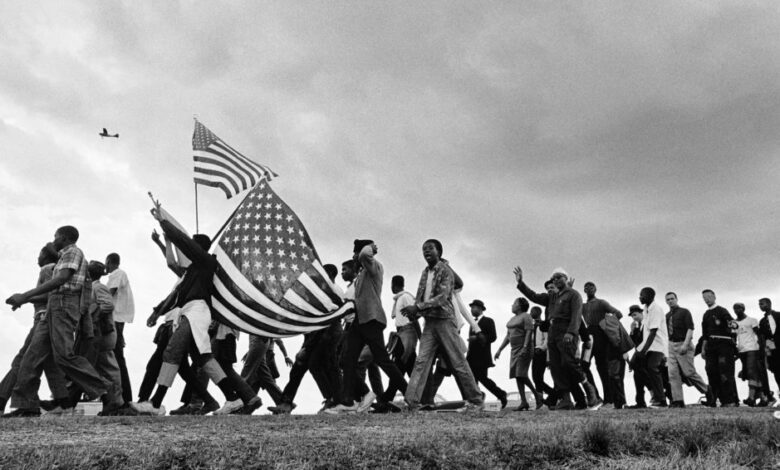
She started taking photos in 1965. But she didn’t realize how important the photos would be to the movement.
“You’re just there doing the work,” Varela says. “I had no idea; none of us did.”
But she says the marches and protests – the things most people associate with the civil rights movement – were only a small part of what SNCC did.
“The rest of it was the hard work of building infrastructures that were trying to deconstruct apartheid,” she says.
Varela was one of nine photographers for SNCC, and they documented law enforcement’s use of force against protestors. Those images made their way onto SNCC posters, which became a symbol of defiance in the South, she says.
SNCC’s strength is that it was run by “ordinary people, not one strong, charismatic leader,” she says. Many of the early SNCC organizers were World War II veterans who came home after the war only to deal with segregation.
Varela says several images in the exhibit bring her back to the 1960s, especially ones showing the day-to-day work of organizing. And looking back fondly on that time doesn’t diminish SNCC’s work today. Varela says the photos remind her of important lessons she learned at the time – lessons that are valuable to activists organizing today. She says they should ask themselves: Who speaks for the voiceless? Who makes the decisions? Who benefits from their decisions?
Written by Caroline Covington.